
THE PHOTOGRAPHIC JOURNEY
Go beyond the view
Follow the Bingchacha route through Yunnan and Tibet for peaks, glaciers, canyons and villages, including Medog and Namcha Barwa. Explore autumn scenes around Dukezong Old Town and Baima Snow Mountain. Rain, snow, road access and mountain visibility affect photography plans.
Yunnan–Tibet mountains and gorges
Shangri-La | Meili Snow Mountain | Bingchacha | Nyingchi | Medog | Renlongba Glacier | Basum Tso | Lhasa Explore Yunnan and Tibet's peaks, glaciers, canyons and villages along the Bingchacha route in November, with opportunities to look for dawn and dusk light on Namcha Barwa. Weather, roads and mountain visibility affect arrangements.
Shangri-La
As autumn winds sweep through, earthly Shangri-La welcomes a tranquil late autumn. With peak-season bustle gone, Shangri-La in November has fewer crowds, high clear skies and transparent air: a treasured photography window. Morning mist drifts through the stone-paved lanes of Dukezong Old Town, where prayer wheels stand quietly. In the distance, Baima Snow Mountain gradually takes on varied autumn hues, its forests changing from green to gold against a clear blue sky, creating richly layered scenes with the texture of an oil painting in every shot.
Meili Snow Mountain
Meili Snow Mountain's main peak, Kawagebo, rises to 6,740 meters and is an important sacred mountain in Tibetan culture. Explore the relationship between snow peaks, cloud and changing light. Alpenglow and mountain visibility depend on the weather.
Feilai Temple
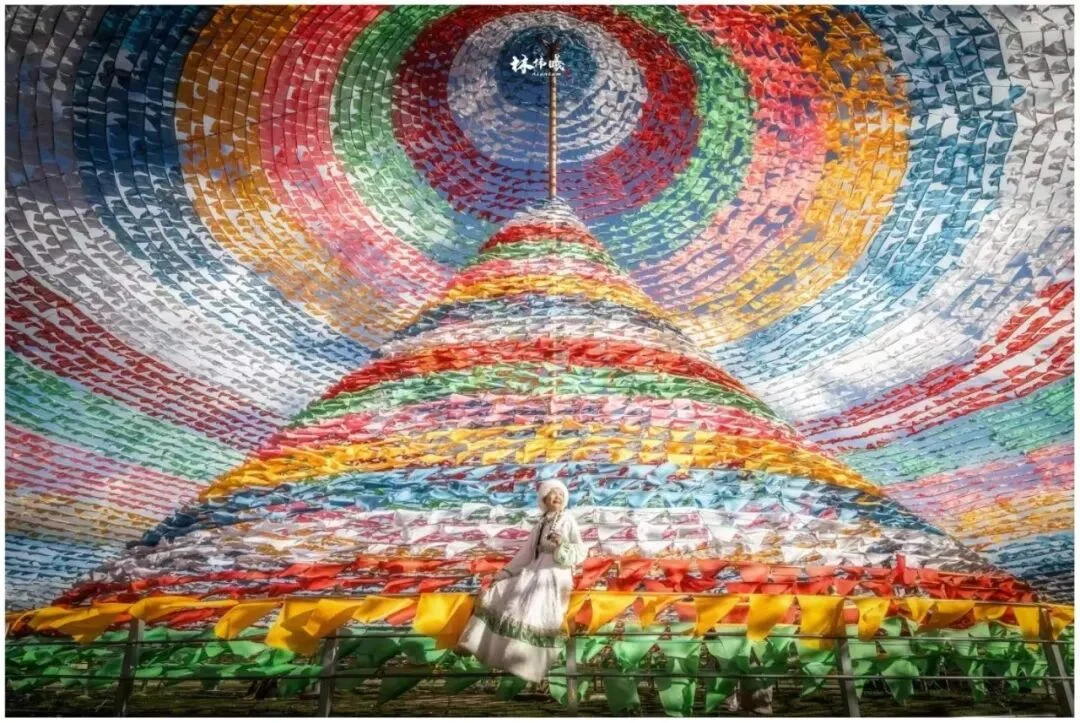
Feilai Temple Viewpoint · Keeping Watch over Meili Snow Mountain Three white Tibetan stupas stand quietly on the viewing platform. A sea of clouds surges ahead, and Meili’s thirteen peaks appear and disappear in the mist. Beneath thick clouds, this sacred mountain holds some of the most breathtaking light in Yunnan and Tibet. Every late autumn in November, when the plateau air is clear, we pause here to wait, hoping the first rays of dawn will illuminate the snow mountain and reveal Meili’s legendary golden sunrise.
Namcha Barwa
Known as ‘China’s most beautiful snow mountain,’ Namcha Barwa rises to 7,782 meters. Its Tibetan name means ‘a spear piercing the sky,’ and people say nine out of ten visitors never get to see it. In November, the forests at Namcha Barwa’s feet still retain late autumn’s warm yellows, while the high peaks are covered in brilliant white snow, creating a striking contrast of warm and cool colors. Wisps of belt-like cloud often wrap around its slopes, or romantic cap clouds appear above the summit, lending the sacred mountain an even more mysterious, ethereal air.
Basum Tso
Basum Tso means ‘green water’ in Tibetan. At 3,480 meters, it is Tibet’s first 5A-rated natural scenic area. November marks the dry season in southeastern Tibet, with little rain, high visibility and very few visitors: a golden time for photographers. In November’s dry season, Basum Tso’s water is clear as jade, the lakeside forests glow with autumn color, and distant mountains wear their first snow. At dawn, thin mist drifts over the ancient temple on the lake’s island; at dusk, the setting sun bathes the snowy peaks in warm light. Snow mountains, a turquoise lake, colorful forests and ancient Tibetan villages blend here into a serene portrait of late autumn on the plateau.
The Bingchacha Route
Entering Tibet in late autumn? Take Bingchacha! The legendary G219 Bingchacha route is known as China’s wildest gateway into Tibet. Starting in Bingzhongluo, it passes through Chawalong to Zayü, traversing the Nujiang Grand Canyon, hot dry valleys, primeval forests and snowy mountain passes, with all four seasons unfolding on a single mountain.
Rawok Lake
Head west to discover two great wonders of ice and snow in eastern Tibet. Venture into rarely visited Renlongba Glacier, where ancient ice fills the valley and white snowfields stretch to the foot of snowy peaks. Get close to the textures of a glacier formed over countless ages and feel the immense primal power of this snowy wilderness. Arrive at Rawok Lake in the evening: snow mountains surround emerald water, a thin layer of ice forms in early winter, and drifting clouds and snow peaks are reflected in the lake. As the light fades, wait quietly for night to fall on the plateau and capture eastern Tibet’s clear, tranquil starry sky.
Bomi, Tibet
Around Bomi's Gang Spruce Forest, explore woodland, fields, wooden fences and Tibetan homes. Autumn vegetation and village architecture provide subjects for environmental landscape photography.
Guoguotang Great Bend, Medog
With the rainy season’s muddy torrents gone, the Yarlung Tsangpo becomes a pool of emerald green here. The river traces a rounded horseshoe bend around a peninsula lying quietly amid forest. Nearby rainforest stays evergreen, distant peaks receive their first snow, and dawn and dusk mist drifts through the canyon. Under the dry season’s clear light, this iconic southeastern Tibetan panorama of mountains and river unfolds.
The journey in pictures
Photographers linked to this route: Weixi Lin →
Itinerary images · Select a photo to enlarge
PHOTOGRAPHY LEADERS
A different way of seeing

Weixi Lin
Has led photography trips to Iceland, Norway, New Zealand, Russia, Indonesia, Semporna, Xinjiang, Qinghai, Niubei Mountain in western Sichuan, Nyingchi, the Qiantang River, Hangzhou, Suzhou, Yangzhou, Wuxi, Yongfu in Fujian, Dongying, Zhongwei, the Yuanyang rice terraces, Xianggong Mountain and Zhangjiajie.
THE DAYS AHEAD
A rhythm shaped by light
DAY 01Oct 29 · Beijing · Asia/ShanghaiDay 1: Meet in Lijiang
Check in and rest in Lijiang Old Town. Photograph local life in the old town and distant views of Jade Dragon Snow Mountain at your leisure. Attend a group briefing covering photography-travel precautions.
Accommodation:near Lijiang Old Town.
DAY 02Oct 30 · Beijing · Asia/ShanghaiDay 2: Lijiang–Baishuitai–Shangri-La
Visit Baishuitai, ‘China’s Pamukkale,’ to photograph light and shadow on travertine terraces. Arrive in Dukezong Old Town in the evening to photograph dusk and night scenes.
Accommodation:Dukezong Old Town.
DAY 03Oct 31 · Beijing · Asia/ShanghaiDay 3: Songzanlin Monastery–Baima Snow Mountain–Feilai Temple–Meili Snow Mountain
Travel through Baima Snow Mountain, photographing colorful alpine autumn forests. Arrive at Feilai Temple and wait quietly for sunset over Meili Snow Mountain, looking out toward its thirteen peaks.
Accommodation:Meili Snow Mountain.
DAY 04Nov 1 · Beijing · Asia/ShanghaiDay 4: Meili Snow Mountain–Degong Highway–Kongque Mountain Pass–First Bend of the Nujiang–Bingzhongluo
Rise early to photograph golden sunlight on Meili Snow Mountain. Follow the secluded Degong Highway over Kongque Mountain. Photograph panoramic peninsula farmland at the First Bend of the Nujiang and shoot from panoramic viewpoints in Bingzhongluo.
Accommodation:Bingzhongluo.
DAY 05Nov 2 · Beijing · Asia/ShanghaiDay 5: Bingzhongluo–Wuli Village–Qiuna Tong–Chawalong
Photograph Bingzhongluo’s misty countryside at dawn. Visit Shimen Pass, Wuli Village and Qiuna Tong to document traditional villages in the Nujiang Grand Canyon. Pass the precipitous Tiger’s Mouth and the Yunnan–Tibet border, following canyon and river scenery to Chawalong.
Accommodation:Chawalong.
DAY 06Nov 3 · Beijing · Asia/ShanghaiDay 6: Chawalong–Serpentine Mountain Road–Muruo Village–Heart Lake–Zayü
Set out on the main Bingchacha route, crossing Qiongla Mountain, Xiongzhula Mountain and Yixiula Pass at 4,706 meters. Photograph serpentine mountain roads, Muruo Village grasslands and the alpine Heart Lake, amid continuous primeval forest and snow mountains.
Accommodation:Zayü.
DAY 07Nov 4 · Beijing · Asia/ShanghaiDay 7: Zayü–Shuimoyan–Renlongba Glacier–Rawok Lake
Photograph unusual water-eroded rock formations in Shuimoyan Canyon. Explore undeveloped Renlongba Glacier (horse riding at your own expense). Photograph snow mountains and lake scenery at Rawok Lake and, weather permitting, the plateau’s starry sky at night.
Accommodation:Rawok Lake.
DAY 08Nov 5 · Beijing · Asia/ShanghaiDay 8: Rawok Lake–Bomi–Gang Spruce Forest–Guxiang Lake
Explore Gang Spruce Forest to photograph towering spruce, hanging lichens and colorful late-autumn foliage. At Guxiang Lake, photograph dead trees in the water and reflections of snow mountains, waiting for golden sunlight on the peaks.
Accommodation:Bomi.
DAY 09Nov 6 · Beijing · Asia/ShanghaiDay 9: Bomi–Galongla Mountain–Medog
Cross Galongla Mountain into Medog, transitioning from ice and snow to subtropical rainforest on one mountain. Photograph the Guoguotang Great Bend of the Yarlung Tsangpo and life in Monba and Lhoba villages.
Accommodation:Medog.
DAY 10Nov 7 · Beijing · Asia/ShanghaiDay 10: Medog–Gelin Village–Bomi–Tongmai–Lulang
From Gelin Village’s cloud-level viewpoint, look toward Namcha Barwa from the Medog side. Pass the perilous Tongmai section and Parlung Tsangpo Canyon to reach Lulang. Taste the local specialty, stone-pot chicken, and experience the ‘valley where immortals dwell.’
Accommodation:Lulang.
DAY 11Nov 8 · Beijing · Asia/ShanghaiDay 11: Lulang–Nyingchi–Yarlung Tsangpo–Sosong Village
Photograph Lulang’s forests, snowy mountains and meadows. Check in at Sosong Village, facing Namcha Barwa’s main peak, and wait in the evening for golden sunset light on the mountain.
Accommodation:Sosong Village.
DAY 12Nov 9 · Beijing · Asia/ShanghaiDay 12: Sosong Village–Basum Tso–Lhasa
Rise early for the highlight: wait for sunrise to turn Namcha Barwa golden. Visit 5A-rated Basum Tso to photograph its jade-green sacred lake and golden autumn forests along the shore, then continue west to Lhasa.
Accommodation:Lhasa.
DAY 13Nov 10 · Beijing · Asia/ShanghaiDay 13: Lhasa–Home
The itinerary concludes after breakfast. Participants may return home independently or stay in Lhasa to continue photographing.
Trip staff
- Photography leader · Weixi Lin
- Up to 11 travelers
- IncludedDriver/tour leader service fee;
Transport
- IncludedOne off-road vehicle for every three participants throughout;
- ExcludedRound-trip major transportation;
Travel details and reference schedules
The services below are the tour leader's reference travel options. They are neither mandatory for participants nor confirmed group transport arrangements. Participants may choose suitable services that fit the meeting and departure times. [Departing Guangzhou] Outbound: October 29 | CZ6603 Guangzhou–Lijiang | 07:10–10:10 Return: November 10 | CA4419/CA4349 Lhasa–Chongqing–Guangzhou | 09:40–16:05 (through itinerary) [Departing Shenzhen] Outbound: October 29 | CZ8581 Shenzhen–Lijiang | 07:10–10:15 Return: November 10 | CA4402/CA4323 Lhasa–Chengdu–Shenzhen | 11:55–19:05 (through itinerary) Before booking transport, please confirm the departure and travel arrangements through this website.
Photography
- Yunnan–Tibet mountains and gorges
- Shangri-La
- Meili Snow Mountain
Photography details
Yunnan–Tibet mountains and gorges Shangri-La | Meili Snow Mountain | Bingchacha | Nyingchi | Medog | Renlongba Glacier | Basum Tso | Lhasa Explore Yunnan and Tibet's peaks, glaciers, canyons and villages along the Bingchacha route in November, with opportunities to look for dawn and dusk light on Namcha Barwa. Weather, roads and mountain visibility affect arrangements. Shangri-La As autumn winds sweep through, earthly Shangri-La welcomes a tranquil late autumn. With peak-season bustle gone, Shangri-La in November has fewer crowds, high clear skies and transparent air: a treasured photography window. Morning mist drifts through the stone-paved lanes of Dukezong Old Town, where prayer wheels stand quietly. In the distance, Baima Snow Mountain gradually takes on varied autumn hues, its forests changing from green to gold against a clear blue sky, creating richly layered scenes with the texture of an oil painting in every shot. Meili Snow Mountain Meili Snow Mountain's main peak, Kawagebo, rises to 6,740 meters and is an important sacred mountain in Tibetan culture. Explore the relationship between snow peaks, cloud and changing light. Alpenglow and mountain visibility depend on the weather. Feilai Temple Feilai Temple Viewpoint · Keeping Watch over Meili Snow Mountain Three white Tibetan stupas stand quietly on the viewing platform. A sea of clouds surges ahead, and Meili’s thirteen peaks appear and disappear in the mist. Beneath thick clouds, this sacred mountain holds some of the most breathtaking light in Yunnan and Tibet. Every late autumn in November, when the plateau air is clear, we pause here to wait, hoping the first rays of dawn will illuminate the snow mountain and reveal Meili’s legendary golden sunrise. Namcha Barwa Known as ‘China’s most beautiful snow mountain,’ Namcha Barwa rises to 7,782 meters. Its Tibetan name means ‘a spear piercing the sky,’ and people say nine out of ten visitors never get to see it. In November, the forests at Namcha Barwa’s feet still retain late autumn’s warm yellows, while the high peaks are covered in brilliant white snow, creating a striking contrast of warm and cool colors. Wisps of belt-like cloud often wrap around its slopes, or romantic cap clouds appear above the summit, lending the sacred mountain an even more mysterious, ethereal air. Basum Tso Basum Tso means ‘green water’ in Tibetan. At 3,480 meters, it is Tibet’s first 5A-rated natural scenic area. November marks the dry season in southeastern Tibet, with little rain, high visibility and very few visitors: a golden time for photographers. In November’s dry season, Basum Tso’s water is clear as jade, the lakeside forests glow with autumn color, and distant mountains wear their first snow. At dawn, thin mist drifts over the ancient temple on the lake’s island; at dusk, the setting sun bathes the snowy peaks in warm light. Snow mountains, a turquoise lake, colorful forests and ancient Tibetan villages blend here into a serene portrait of late autumn on the plateau. The Bingchacha Route Entering Tibet in late autumn? Take Bingchacha! The legendary G219 Bingchacha route is known as China’s wildest gateway into Tibet. Starting in Bingzhongluo, it passes through Chawalong to Zayü, traversing the Nujiang Grand Canyon, hot dry valleys, primeval forests and snowy mountain passes, with all four seasons unfolding on a single mountain. Rawok Lake Head west to discover two great wonders of ice and snow in eastern Tibet. Venture into rarely visited Renlongba Glacier, where ancient ice fills the valley and white snowfields stretch to the foot of snowy peaks. Get close to the textures of a glacier formed over countless ages and feel the immense primal power of this snowy wilderness. Arrive at Rawok Lake in the evening: snow mountains surround emerald water, a thin layer of ice forms in early winter, and drifting clouds and snow peaks are reflected in the lake. As the light fades, wait quietly for night to fall on the plateau and capture eastern Tibet’s clear, tranquil starry sky. Bomi, Tibet Around Bomi's Gang Spruce Forest, explore woodland, fields, wooden fences and Tibetan homes. Autumn vegetation and village architecture provide subjects for environmental landscape photography. Guoguotang Great Bend, Medog With the rainy season’s muddy torrents gone, the Yarlung Tsangpo becomes a pool of emerald green here. The river traces a rounded horseshoe bend around a peninsula lying quietly amid forest. Nearby rainforest stays evergreen, distant peaks receive their first snow, and dawn and dusk mist drifts through the canyon. Under the dry season’s clear light, this iconic southeastern Tibetan panorama of mountains and river unfolds. Yunnan–Tibet mountains and gorges Shangri-La Meili Snow Mountain Feilai Temple Namcha Barwa Basum Tso The Bingchacha Route Rawok Lake Bomi, Tibet Guoguotang Great Bend, Medog Included · Photography instruction fee;
Accommodation
- 12 nights
- IncludedGood-quality accommodation with breakfast throughout;
- ExcludedA single-room supplement applies if no same-sex roommate is available or a private room is requested;
Accommodation details
Good-quality accommodation with breakfast throughout; Day 1:near Lijiang Old Town. Day 2:Dukezong Old Town. Day 3:Meili Snow Mountain. Day 4:Bingzhongluo. Day 5:Chawalong. Day 6:Zayü. Day 7:Rawok Lake. Day 8:Bomi. Day 9:Medog. Day 10:Lulang. Day 11:Sosong Village. Day 12:Lhasa. Specific hotels and any accommodation arrangements not listed here are pending confirmation with the operator. Day 1 · 2026-10-29 near Lijiang Old Town. Day 2 · 2026-10-30 Dukezong Old Town. Day 3 · 2026-10-31 Meili Snow Mountain. Day 4 · 2026-11-01 Bingzhongluo. Day 5 · 2026-11-02 Chawalong. Day 6 · 2026-11-03 Zayü. Day 7 · 2026-11-04 Rawok Lake. Day 8 · 2026-11-05 Bomi. Day 9 · 2026-11-06 Medog. Day 10 · 2026-11-07 Lulang. Day 11 · 2026-11-08 Sosong Village. Day 12 · 2026-11-09 Lhasa.
Meals
- IncludedGood-quality accommodation with breakfast throughout;
- ExcludedMain meals (shared expenses); the instructor’s meals are split among participants;
Visa
- To be confirmed by the operator
A CLEAR PICTURE
Know what is included
Deposit in the operator’s published information
per personThis amount reflects the payment terms in the operator’s published information. When booking through this platform, follow the payment schedule shown at checkout.
Public prices may change. Checkout quotes expire at a stated time; your confirmed order records its price and payment deadlines.
Included
One off-road vehicle for every three participants throughout;
Good-quality accommodation with breakfast throughout;
Driver/tour leader service fee;
Photography instruction fee;
Complimentary travel accident insurance specially provided for every participant.
Not included
Round-trip major transportation;
Main meals (shared expenses); the instructor’s meals are split among participants;
Admission tickets throughout;
A single-room supplement applies if no same-sex roommate is available or a private room is requested;
In force majeure circumstances such as natural disasters, war or strikes, or exceptional events including flight delays or cancellations and consular visa delays, the organizing team reserves the right to cancel or modify the itinerary. Additional expenses, including visas, accommodation, meals, transport and national airfare adjustments, may be charged based on the actual additional expenditure incurred. We will nevertheless try within our ability to minimise participants' losses;
Invoice tax;
Other additional services not specified.
Single-room supplements, additional local expenses and the final total must be confirmed in writing.
BEFORE YOU GO
What to know before you go
Availability and booking
Let us know if you’re interested in this trip. Availability is not updated in real time, so please contact us to check whether the trip is confirmed, how many places are available, and the final total and booking terms.
Trip information
[Transport] 1. Flights arranged by the organizing team use economy-class group tickets. Before tickets are issued, check the airline's rules for changes and refunds. 2. Flight, road and boat journey times may vary with conditions on the day. 3. The airlines and flight times listed are for guidance only. Flight changes may require minor adjustments to the itinerary. Please follow the final trip details sent before departure. [Accommodation] Accommodation is arranged for two people sharing a room. We'll try to match solo travelers with a roommate of the same gender. If you prefer not to share, or no roommate is available, you must pay a single supplement for your own room. [Group meals] We aim to serve meals suited to Chinese tastes. We make sure everyone has enough to eat. [Photography] 1. Photography sessions follow the itinerary, but conditions on the day may affect how long we spend at each location. 2. Read the itinerary carefully and choose a trip that suits your health and circumstances. Skipping part of the itinerary for health or other personal reasons, or choosing not to use the arranged accommodation or transport, counts as voluntary withdrawal from those arrangements. You are responsible for your own safety while not taking part in the itinerary. 3. Stay with the group during photography sessions unless you have permission to leave. This does not apply during free time. The organizing team is not responsible for accidents that occur while you are away from the group. 4. Typhoons, blizzards or other events beyond our control may require changes to the itinerary. [Fuel surcharges] The organizing team reserves the right to adjust the amount payable if fluctuations in global oil markets lead to a substantial rise in fuel surcharges. If the team can absorb the increase, the amount payable will remain unchanged. [Before departure] 1. We'll send your final trip details no later than the day before departure. If arrangements are confirmed sooner, we'll let you know as soon as possible. 2. If the online itinerary differs from the final trip details sent before departure, the final trip details take precedence. [Optional activities at your own expense] Under the Tourism Law provisions prohibiting travel agencies from arranging optional paid activities, please contact the provider directly for details, charges and bookings if you wish to take part. If you need language assistance from a guide or tour leader, any help is provided in a personal capacity, whether paid or unpaid. It is not provided on behalf of the organizing team or the local tour operator. The organizing team is not involved in the payments, transactions or service standards for activities during free time. You are responsible for the outcome of those arrangements.
Itinerary notes
Photography locations, accommodations and transportation are subject to final confirmation before departure. Weather and local conditions may affect the itinerary.
Itinerary dates use Beijing time (Asia/Shanghai). Flight, transfer and other times follow the time zone stated for each location. Please confirm any time without a stated time zone before departure.